| The
University
and the City A Centennial View of the University of Chicago |
page 5 of 5| « previous | next » | ||
|
Bringing the University to the City The
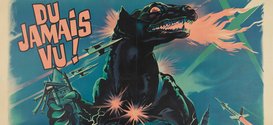
University on the Air Although the radio version of the "Round Table" was discontinued in 1955, it was reincarnated as a television program from 1967 to 1974. Chicago's educational television station, WTTW, produced the new "Round Table" initially for the local audience and then later for distribution to public television stations throughout the Midwest. The University has made other forays into broadcast media, most of them created for Chicago audiences. After WTTW first came on the air in 1955, the University produced "The Humanities," a thirteen-week, noncredit course broadcast from the station's studios, which were then located in the Museum of Science and Industry. In the 1960s, "University Radio News," broadcast over station WFMT, provided a look at recent developments in University research. Two weekly radio programs, "From the Midway" and "Conversations at Chicago," produced in the 1960s and 1970s, picked up the discussion format pioneered by the "Round Table." As in earlier decades, the University continued to maintain a media presence that helped shape public understanding of its academic programs and the work of its faculty. With support from the William Benton Foundation, a new venture began in 1983 when radio and television journalists came to campus as Benton Fellows, taking regular University courses in areas of personal interest and participating in special seminars on public policy issues. The six-month program allowed journalists to reflect on issues facing their profession in ways not usually possible under deadline pressure. In 1987 the Benton Broadcast Project initiated plans to develop broadcast treatments for scholarly activities and research projects. One of its first products was "Bastille," an ambitious radio dramatization marking the bicentennial of the French Revolution. |
||
| page 5 of 5| « previous | next » | |||