Browse by
Limit to
| Exhibit Thumbnail | Title | Locations | Subjects |
|---|---|---|---|
| Exhibits | |||
|
"A Case for Reparations at the University of Chicago": Sources
A selection of original manuscripts, publications, and legal documents that trace the connections and continuities between the Old University of Chicago and the new University, founded in 1890. |
Locations
Regenstein Bookstacks, 4th Floor April 25 — Aug. 11, 2019 View web exhibit >> |
|
|
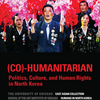
(Co)-Humanitarian
(Co)-Humanitarian used print and visual resources to illustrate the ideological and geographic divisions between South and North Korea. The exhibit also conveyed North Korea’s human rights issues. |
Locations
Regenstein 5th Floor Reading Room May 1 — Aug. 1, 2017 View web exhibit >> |
Subjects
Area Studies Korean Studies |
|
20 Years and After: Korean Collections Consortium of North America (KCCNA)
The Korean Collections Consortium of North America (KCCNA) was founded in 1994 with 6 member institutions, with the University of Chicago quickly joining as the 7th member in 1995. This exhibit shows a selection of the University of Chicago’s KCCNA-assigned subject books. |
Locations
Regenstein Bookstacks, 5th Floor March 1 — April 1, 2016 View web exhibit >> |
Subjects
Korean Studies |
|
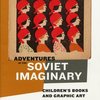
Adventures in the Soviet Imaginary: Children's Books and Graphic Art
Adventures in the Soviet Imaginary examines both the intensive and extensive dimensions of Soviet posters and children books. |
Locations
The Hanna Holborn Gray Special Collections Research Center Aug. 22 — Dec. 30, 2011 View web exhibit >> |
Subjects
Slavic/Eastern Europe/Eurasia Art |
|
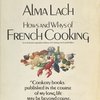
Alma Lach's Kitchen
This exhibition explores Alma Lach’s wide-ranging culinary career and displays selections from her fascinating collection of cookbooks. |
Locations
The Hanna Holborn Gray Special Collections Research Center Sept. 19 — Jan. 6, 2017 View web exhibit >> |
Subjects
Humanities |
|
Art in the Stacks
The Special Collections Research Center is known for being the University of Chicago Library’s center for rare books, manuscripts, and university archives. Nestled within these materials, there is a lesser known aspect of our collections—art. Art in the Stacks highlights these holdings with a selection of original paintings, drawings, and sculptures, in addition to artists’ books and other works on paper produced in the 20th and early 21st centuries. |
Locations
The Hanna Holborn Gray Special Collections Research Center June 19 — Sept. 15, 2017 View web exhibit >> |
Subjects
Art |
|
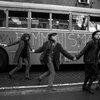
Artivism: Italy and Social Justice
Art activism in Italy in the 1960s and 1970s |
Locations
Regenstein 3rd Floor Reading Room June 11 — Dec. 15, 2018 View web exhibit >> |
Subjects
Music Art Italian Literature |
|
The B. Heller & Co. Collection
Founded by Benjamin Heller, whose family practiced sausage-making for generations, Chicago-based B. Heller & Co. began in 1893. Eager to take advantage of new developments in food science and chemistry as well as his skills as a salesman, Benjamin Heller was the quintessential American entrepreneur. |
Locations
The Hanna Holborn Gray Special Collections Research Center March 1 — June 30, 2009 View web exhibit >> |
Subjects
Advertising Chicago and Illinois |
|
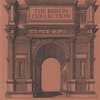
The Berlin Collection
Showcasing the collection of nearly 100,000 books and manuscripts purchased by William Rainey Harper in Berlin in 1891, which became the core of the University of Chicago Library's holdings and have had an abiding influence on the course of scholarly investigation at the University. |
Locations
The Hanna Holborn Gray Special Collections Research Center Jan. 1 — Dec. 31, 1979 View web exhibit >> |
Subjects
University of Chicago Library |

|
Bibliosaurus!
Sixty-five million years ago, at the end of the Cretaceous Period, dinosaurs became extinct. Yet look around, and these prehistoric creatures appear to be thriving in our popular culture. Using children’s books, journals, monographs, original artwork, movie posters and other types of media, Bibliosaurus! explores how dinosaurs transformed from objects of intense scientific inquiry into outsize figures in everyday life. |
Jan. 2 — April 19, 2024 View web exhibit >> |
|
|
The Black Metropolis Research Consortium: Fifteen Years of Preserving and Documenting Black History and Culture in Chicago
The Black Metropolis Research Consortium (BMRC) is a Chicago-based membership association that aids in expanding broad access to its members’ holdings of materials that document African American and African diasporic history, politics and culture, with a specific focus on materials relating to Chicago. Our members include universities, libraries, museums, community, arts-based and government archives. It is the mission of the BMRC to connect all who seek to document, share, understand and preserve Black experiences. In 2021, the BMRC celebrates its 15th anniversary. This exhibit documents the origins of the BMRC, its efforts to aid discoverability and access to Black historical collections, and the consortium’s flagship Summer Short-term Fellowship and Archie Motley Archival Internship programs. |
Locations
The Hanna Holborn Gray Special Collections Research Center View web exhibit >> |
Subjects
American History African-American Studies History |
|
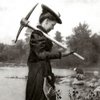
A Bold Experiment: The Origins of the Sciences at the University of Chicago
In celebration of the 125th anniversary of the University of Chicago's founding, this exhibit looks back at the establishment of the natural sciences at the University. |
Locations
Crerar Library, 1st Floor: Other Spaces Sept. 21 — March 31, 2016 View web exhibit >> |
Subjects
University of Chicago History of Science |

|
Book Use, Book Theory: 1500-1700
This exhibition, co-curated by Bradin Cormack and Carla Mazzio, will examine the relationship between book use and forms of knowledge production in the early modern period (up through about 1700). |
Locations
The Hanna Holborn Gray Special Collections Research Center March 1 — July 31, 2005 View web exhibit >> |
Subjects
History of Print |
|
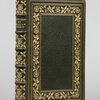
A Book by Its Cover: Decorative Book Bindings from the Medieval Codex to Contemporary Artists' Books
A Book by Its Cover considers how innovations in binding structure, decoration and design can be used to transform a book’s paratext into an essential part of the textual whole. Works on view include treasure bindings, fine bindings from the Guild of Women Binders, and artist’s bindings—Karen Hanmer’s patchwork binding for Mary Shelley’s Frankenstein, for example—in which the books’ covers can be read as integral to the narrative texts they envelop. |
Locations
The Hanna Holborn Gray Special Collections Research Center Feb. 7 — April 29, 2022 View web exhibit >> |
|
|
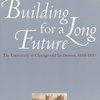
Building for a Long Future: The University of Chicago and Its Donors, 1889-1930
This exhibition explores the motivations and purposes of the varied group of donors who supported the University of Chicago from the time of its founding in the late 1880s to the conclusion of the extensive campus building campaign of the late 1920s and early 1930s. |
Locations
The Hanna Holborn Gray Special Collections Research Center May 1 — Dec. 31, 2001 View web exhibit >> |
Subjects
University of Chicago |
|
But Is It A Book?
One of life’s most familiar objects, the codex book, is also one of the most innovative and adaptable technologies for making and sharing meaning devised by humankind. But what makes a book a book? Must it have pages, text, and a rectangular shape to qualify? "But Is It a Book?" is a choosable-path exhibition that investigates the nature of the material text, considering examples from the long arc of book history, from the clay tablet to the contemporary artist’s book. |
Locations
The Hanna Holborn Gray Special Collections Research Center Jan. 3 — April 28, 2023 View web exhibit >> |
Subjects
Library Science |
|
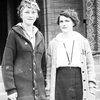
Capturing the Stars: The Untold History of Women at Yerkes Observatory
Women contributed to the advancement of astronomy and astrophysics at Yerkes Observatory in the early twentieth century. Women were not only calculators or assistants. They earned degrees, conducted their own research, collaborated on projects with peers of both sexes, worked on publications, and used their time at Yerkes to launch a wide range of careers.. Their lives and labor are preserved in documents in the Library's archival collections. The stories of some of these women and their previously invisible labor are now told in this exhibition. |
Sept. 18 — Dec. 15, 2023 View web exhibit >> |
|

|
Celebrating the Poetry of Asia & the Middle East
For their inaugural joint exhibit, five area-studies librarians on the fifth floor of the Joseph Regenstein Library celebrate poetry from their own areas of expertise. |
Locations
Regenstein Bookstacks, 5th Floor May 1 — June 30, 2018 View web exhibit >> |
Subjects
Korean Studies Middle East Southern Asia Japanese Studies Chinese Studies |
|
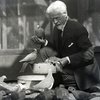
Charles Otis Whitman: His Science, His Special Birds, and the Marine Biological Laboratory
Charles Whitman was a pioneer in the study of animal behavior, and one of his main research interests was the passenger pigeon. This exhibit examines Whitman's legacy at the University of Chicago and beyond. |
Locations
Crerar Library, 1st Floor: Other Spaces Jan. 6 — March 21, 2014 View web exhibit >> |
Subjects
Organismal Biology Biological Sciences |
|
Chicago Celebrates Darwin
The John Crerar Library presents Chicago Celebrates Darwin, an exhibit which revisits the Darwin Centennial Celebration hosted by the University in 1959. We look back at the original letters, pictures, and documents from that conference to get a sense of the atmosphere and the importance of the events, including the effect of Darwin’s theories on the research and popular opinion of the day. |
Locations
Crerar Library, 1st Floor: Other Spaces Oct. 19 — March 26, 2010 View web exhibit >> |
Subjects
Chicago and Illinois Biological Sciences Organismal Biology University of Chicago Ecology & Evolution |

|
Closeted/OUT in the Quadrangles: A History of LGBTQ Life at the University of Chicago
Historical view of LGBT faculty, student, and staff life at the University of Chicago. |
Locations
The Hanna Holborn Gray Special Collections Research Center March 30 — June 12, 2015 View web exhibit >> |
Subjects
LGBTQIA Studies University of Chicago |
|
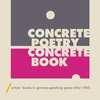
Concrete Poetry, Concrete Book: Artists' Books in German-Speaking Space after 1945
This exhibition highlights the Fluxus movement's conceptual use of the book format. |
Locations
The Hanna Holborn Gray Special Collections Research Center Jan. 17 — March 17, 2017 View web exhibit >> |
|
|
Discovering the Beauty and Charm of the Wilderness: Chicago Connections to the National Park Service
The National Park Service offers a rich variety of landforms, flora, and fauna that have been the subject of many University of Chicago scientific studies. The parks have also served as inspiration for art, photography and literature. To mark the National Park Service’s 100-year anniversary, we delve into the Library’s archives and rare collections to uncover Chicago connections to the parks. |
Locations
Crerar Library, 1st Floor: Other Spaces Oct. 31 — Dec. 31, 2016 View web exhibit >> |
Subjects
Environmental Science Organismal Biology American History University of Chicago |

|
Dog Fight: The Animal Experimentation Debate in Twentieth-Century Chicago
What should be done with unclaimed pound dogs? This question inspired fierce debates in Chicago, where an unusual city ordinance in 1931 granted scientists at the University of Chicago, Northwestern University, and other local medical schools access to stray dogs for experimental purposes. This exhibition explores both sides of that controversy and shows how it continues to shape the ways we discuss biomedical ethics and scientific progress. |
May 8 — Sept. 1, 2023 View web exhibit >> |
Subjects
History History of Science Chicago and Illinois University of Chicago |

|
East European Jews in the German-Jewish Imagination from the Ludwig Rosenberger Library of Judaica
This exhibition traces the place of East European Jewry in the imagination and experience of German Jews from emancipation in the nineteenth century to the decline of German-Jewish life on the eve of World War II. |
Locations
The Hanna Holborn Gray Special Collections Research Center Sept. 1 — June 30, 2009 View web exhibit >> |
Subjects
Jewish Studies |
|
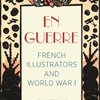
En Guerre: French Illustrators and World War I
En Guerre will offer a fresh examination of World War I through the lens of French graphic illustration of the period. |
Locations
The Hanna Holborn Gray Special Collections Research Center Oct. 14 — Jan. 2, 2015 View web exhibit >> |
Subjects
European History Art |
|
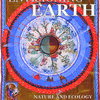
Envisioning Earth
This exhibit points to historical references to conservation and the environment; the approach is one that is multidisciplinary, accomplished through music, literature, and cartography. |
Locations
Regenstein 3rd Floor Reading Room May 1 — Sept. 4, 2017 View web exhibit >> |
Subjects
Music Literature Maps |
|
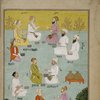
Envisioning South Asia: Texts, Scholarship, Legacies
This exhibition introduces the Regenstein Library's extraordinary resources related to South Asia through visual metaphors of imagination, representation, and engagement. |
Locations
The Hanna Holborn Gray Special Collections Research Center Jan. 11 — March 18, 2016 View web exhibit >> |
Subjects
Southern Asia South Asia |
|
Expanding Sources: Recent Additions to Special Collections
As academic fields expand and diversify, Special Collections is building collections to support these new directions. Researchers are drawing on original materials in many areas including race and gender, cinema and media, graphic design, arts practice, and cross-cultural global studies. This exhibition displays recent acquisitions with research potential for a range of disciplines. The materials represent many formats, including children’s books, family letters, journals, fine book design, posters, research notes, clothing, board games, and printed ephemera. |
Locations
The Hanna Holborn Gray Special Collections Research Center Jan. 6 — April 24, 2020 View web exhibit >> |
Subjects
University of Chicago Library Chicago and Illinois University of Chicago |
|
Firmness Commodity and Delight
Firmness, Commodity, and Delight was the inaugural exhibition in the new Special Collections gallery, running from May through July 2011. The exhibition celebrated the opening of the new SCRC exhibition gallery and the completion of the Joe and Rika Mansueto Library with a display of books, manuscripts, and archival drawings and photographs representing our collections in architecture. The exhibition also had two items provided by the architectural firms who designed the Mansueto and Special Collections spaces – one drawing each from Murphy/Jahn (Helmut Jahn) and Booth Hansen. The exhibition was presented in conjunction with "500 Years of the Illustrated Architecture Book," a city-wide festival marking the publication of the first illustrated book on architecture, the Fra Giocondo edition of Vitruvius's De architectura libri decem. |
Locations
The Hanna Holborn Gray Special Collections Research Center May 9 — July 29, 2011 View web exhibit >> |
Subjects
Architecture |
|
Flights before the Wrights: Octave Chanute, Chicago. Aeronautical Pioneer, Engineer & Teacher
An exhibition of Octave Chanute's accomplishments and highlights from the visionary's career. Chanute’s novel biplane glider, an engineering masterpiece in the world of 1896 flying machines was the foundation for 20th-century aircraft. |
Locations
Crerar Library, 1st Floor: Other Spaces Nov. 1 — June 1, 2002 View web exhibit >> |
Subjects
Aviation Technology History of Science |
|
Franz Bibfeldt
Fictional theologian, real papers |
View web exhibit >> | |
|
From Sausage to Hot Dog: the Evolution of an Icon
The hot dog is an American creation, and Chicago even has its own style. But where did this popular food come from and how did it develop? This exhibit looks to the hot dog's origins in sausage-making practices brought by European immigrants to the Midwest. We consider techniques used in neighborhood butcher shops and the rise of industrial meat production. Homemade recipes and artisanal makers past and present are also examined. |
Locations
Crerar Library, 1st Floor: Other Spaces Oct. 29 — Dec. 31, 2013 View web exhibit >> |
Subjects
History of Science History American History Chicago and Illinois |
|
Ghosts of the Past: Early Students at the University of Chicago
This web exhibit explores the experiences of early University of Chicago students through letters, scrapbooks, photographs, and other papers from the students' papers in the University Archives. |
View web exhibit >> |
Subjects
University of Chicago |
|
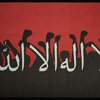
The Graphics of Revolution and War: Iranian Poster Arts
Designed for mass distribution and aimed towards a large public audience, posters embed social, political, and religious concerns that frequently are articulated through both text and image. Perhaps more so than at any other moment in recent history, posters served as powerful modalities for mobilization and communication during the Iranian Revolution of 1979 and the Iran-Iraq War (1980-88). |
Locations
The Hanna Holborn Gray Special Collections Research Center Oct. 15 — Dec. 18, 2011 View web exhibit >> |
Subjects
Art Middle East |
|
Homer in Print: The Transmission and Reception of Homer's Works
Homer in Print illustrates what we can learn when we look beyond the stories to ask what sources went into shaping this particular edition or how the multitude of English translations differ from each other. |
Locations
The Hanna Holborn Gray Special Collections Research Center Jan. 13 — March 15, 2014 View web exhibit >> |
Subjects
Classics |
|
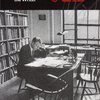
Honest Jim: James D. Watson, the Writer
Fifty years ago, James Watson and Francis Crick made one of the major discoveries of the twentieth century: they deciphered the double helical structure of DNA. The discovery began a revolution in molecular biology that led to major advances in science and medicine. |
Locations
Crerar Library, 1st Floor: Other Spaces Jan. 19 — May 28, 2004 View web exhibit >> |
Subjects
Biological Sciences Molecular & Cell Biology History of Science |
|
I Step Out of Myself: Portrait Photography in Special Collections
An exhibition of portrait photography collections in the University Archives. |
Locations
The Hanna Holborn Gray Special Collections Research Center Jan. 12 — March 20, 2015 View web exhibit >> |
Subjects
Art Photography University of Chicago |
|
Images of Prayer, Politics and Everyday Life from the Harry and Branks Sondheim Jewish Heritage Collection
This exhibition of the Harry Sondheim (A.B. 1954, J.D. 1957) Collection is organized around representations of the events of the Jewish life-cycle: birth, circumcision, naming, bar mitzvah, marriage, and death-and those of the Jewish calendar-the Sabbath, Rosh Hashanah, Yom Kippur, Simchat Torah, Sukkot, and Passover. |
Locations
The Hanna Holborn Gray Special Collections Research Center March 1 — July 31, 2008 View web exhibit >> |
Subjects
Religion |
|
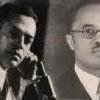
Integrating the Life of the Mind: African Americans at the University of Chicago, 1870-1940
This exhibit presents original manuscripts, rarely seen portraits and photographs, African American publications, books by African American graduates of the University of Chicago, and other documents that trace the interlocking strands of academic and gradual social integration through the mid-twentieth century. |
Locations
The Hanna Holborn Gray Special Collections Research Center Sept. 1 — Feb. 28, 2009 View web exhibit >> |
Subjects
African-American Studies University of Chicago |
|
Integrity of the Page: The Creative Process of Daniel Clowes
The Clowes archive contains notes, outlines, narrative drafts, character sketches, draft layouts, and more for three of Clowes' books: Ice Haven, Mister Wonderful, and The Death-Ray. The exhibition pieces this material together, tracing the evolution of Clowes' art from conception to production to publication. |
Locations
The Hanna Holborn Gray Special Collections Research Center March 28 — June 17, 2016 View web exhibit >> |
Subjects
History of Print American Literature |
|
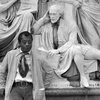
James Baldwin Among The Philosophers
James Baldwin’s work is widely recognized for its religious overtones and influences as well as for its critiques of racism and heterosexual norms. His work is equally important as a contribution to American philosophy. |
Locations
Regenstein 4th Floor Reading Room Sept. 25 — Dec. 31, 2017 View web exhibit >> |
Subjects
African-American Studies Religion |
|
The Late Sketches and Autographs of Beethoven
The books in which Beethoven carried out his sketching can be identified as falling into one of three categories: collections of loose leaves, large sketchbooks, and pocket books. The first of these, loose leaves, were used by Beethoven early in his life (from around 1786 to 1799) to draft compositions, as well as to write out compositional exercises, often for the keyboard. These loose leaves were later collected, sorted, and sewn together into book format by the composer himself. |
Locations
Regenstein 3rd Floor Reading Room June 21 — Dec. 14, 2019 View web exhibit >> |
Subjects
Music |
|
Letters from Prison
This exhibit draws together letters written by incarcerated people, across time and space. The centerpiece and inspiration for the exhibit is the collected letters of Chris Vega to his brother. Mr. Vega has been imprisoned by the Illinois Department of Corrections almost continuously since 2007. Juxtaposed with Mr. Vega’s letters and poems are published works written by or for incarcerated people, from the collection at the University of Chicago Library. |
Locations
Regenstein 4th Floor Reading Room Aug. 27 — Dec. 16, 2018 View web exhibit >> |
|
|
A Library for All Time: The History of the John Crerar Library
The John Crerar Library holds a place of distinction in the world of libraries. The images and texts presented here trace the history of the library from its founding as a free public library of science made possible by the gift of a dedicated philanthropist through its growth to an outstanding print collection with innovative research services and into its present form which combines these traditional services and collections with modern electronic information resources and creative collaborations with campus partners. |
Locations
Crerar Library, 1st Floor: Other Spaces Oct. 29 — March 31, 2014 View web exhibit >> |
Subjects
Biological Sciences Physical Sciences History of Science |
|
Mapping the University of Chicago
This exhibit features interactive mapping applications, information on the University's history, and archived maps and resources to find more information. |
July 15 — March 31, 2021 View web exhibit >> |
Subjects
University of Chicago Maps |
|
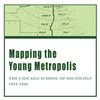
Mapping the Young Metropolis
Between 1915 and 1940, a small faculty in the University of Chicago Department of Sociology, working with dozens of talented graduate students, intensively studied the city of Chicago . They aspired to use the approaches of social science in developing a new field of research, and they took the city as their laboratory. |
Locations
The Hanna Holborn Gray Special Collections Research Center June 22 — Sept. 11, 2015 View web exhibit >> |
Subjects
Sociology Chicago and Illinois |
|
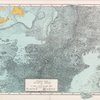
Marie Tharp: Pioneering Oceanographer
A pioneer in her field, renowned cartographer Marie Tharp created the first scientific maps of the Atlantic Ocean floor with her partner Bruce Heezen. Her observations showed the topography and geographical landscape of the ocean bottom and were crucial to the development of the theories of plate tectonics and continental drift in the earth sciences. |
View web exhibit >> |
Subjects
History of Science Geography Geophysical Sciences |
|
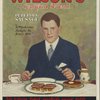
Meatpacking in the Midwest: The Thomas E. Wilson Family Collection
From the Civil War through the 1930s, Chicago was the center of the meatpacking industry in the United States. The Thomas E. Wilson Family Collection provides a snapshot of one family-owned meatpacking business in Chicago during the first half of the twentieth century. The collection captures the meatpacking industry in the Midwest through the lens of one family's experience at the top. |
View web exhibit >> |
Subjects
Special Collections Chicago and Illinois Business |
|
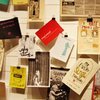
My Life is an Open Book
A selections of zines that are draw from the creators' personal experiences. |
Locations
The Hanna Holborn Gray Special Collections Research Center Jan. 14 — April 13, 2013 View web exhibit >> |
Subjects
Humanities Literature |
|
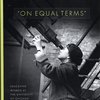
On Equal Terms: Educating Women at the University of Chicago
Since the University welcomed its first students in the fall of 1892, women have had very different stories to tell about the experiments in co-education and faculty diversification; the experience of the classroom, the laboratory, the dorm, and the streets of Hyde Park; the issues of mentorship, intellectual community, and career advancement; and the opportunities for political action and community involvement, for friendship, romance, and sexual experimentation. |
Locations
The Hanna Holborn Gray Special Collections Research Center March 1 — July 31, 2009 View web exhibit >> |
Subjects
Women's Studies University of Chicago Library |
|
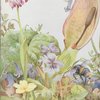
On Reading Spring
"On Reading Spring" is divided into six thematic sections, each offering a discreet meditation on the unfolding of the season through experiences commonly ascribed to spring: Refreshment, Vulnerability, Epiphany, Restoration, Tenderness, and Joy. By pairing a selection of the Special Collections Research Center’s rare and unusual published works with archival letters, diaries, photographs, musical manuscripts and early drafts of poems composed between March and June, "On Reading Spring" considers the ways in which diverse works reveal a sympathetic vernal experience across disciplines, cultures, and time periods. |
Locations
The Hanna Holborn Gray Special Collections Research Center April 6 — June 30, 2020 View web exhibit >> |
Subjects
Music Art Literature Photography |
|
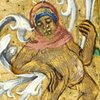
On the Edge: Medieval Margins and the Margins of Academic Life
This exhibition explores the symmetry between medieval margins and the modern margins of academic life. |
Locations
The Hanna Holborn Gray Special Collections Research Center May 19 — Sept. 10, 2012 View web exhibit >> |
Subjects
Art European History History of Print |

|
Our Lincoln: Bicentennial Icons from the Barton Collection of Lincolniana
Marking the 200th anniversary of the birth of Abraham Lincoln, this exhibition presents a selection of documents and artifacts from the University of Chicago Library's William E. Barton Collection of Lincolniana. |
Locations
The Hanna Holborn Gray Special Collections Research Center Jan. 1 — Feb. 28, 2009 View web exhibit >> |
Subjects
Chicago and Illinois American History |
|
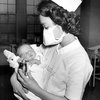
Past, Present, Future: the Evolution of Medicine at the University of Chicago's Hospitals
This exhibit provides an overview of the history and evolution of the medical school program, the hospital facilities and their technology, and medical partnerships with other Chicago area hospitals. |
Locations
Crerar Library, 1st Floor: Other Spaces Oct. 15 — March 30, 2012 View web exhibit >> |
Subjects
University of Chicago Medicine |
|
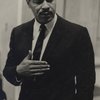
Paul B. Moses: Trailblazing Art Historian
The extraordinary life of the art historian Paul B. Moses (1929–1966) was one defined by barriers overcome. Through his writings, photographs, video clips, personal correspondence, ephemera, and original art, the exhibition tells the story of his journey from Ardmore, Pennsylvania and Haverford College, where he was the first African-American student ever admitted, to the University of Chicago, where he distinguished himself through innovative teaching and scholarship until his untimely death. |
Locations
The Hanna Holborn Gray Special Collections Research Center Sept. 12 — Dec. 16, 2022 View web exhibit >> |
Subjects
Chicago and Illinois University of Chicago History Art |
|
Poetic Associations: The Nineteenth-Century English Poetry Collection of Dr. Gerald N. Wachs
In the period between the French Revolution and the start of World War I, often called “the long nineteenth century,” English poetry enjoyed enormous popularity and respect. The Romantics and the Victorians, as we know them today, were celebrities and, often, close friends, part of a literary community that influenced their professional and personal lives. Dr. Gerald N. Wachs (1937-2013), working closely with his friend, bookseller Stephen Weissman of Ximenes Rare Books, collected their works, using as their guidebook the Cambridge Bibliography of English Literature (CBEL), the standard primary bibliography of English literature. They sought the finest copies, whenever possible ones that were presented by the author to other writers, friends, or family members. The resulting collection of nearly 900 titles, on deposit from the Estate of Gerald Wachs at the University of Chicago Library, illuminates the life and works of these enduring poets. |
Locations
The Hanna Holborn Gray Special Collections Research Center Sept. 21 — Dec. 31, 2015 View web exhibit >> |
Subjects
Literature |
|
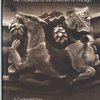
The Presidents of the University of Chicago: A Centennial View
This exhibition, the fourth in a series marking the Centennial of the University of Chicago, examines the distinctive contributions of each of the ten chief executives of the university over the past century. |
Locations
The Hanna Holborn Gray Special Collections Research Center Oct. 1 — Feb. 1, 1993 View web exhibit >> |
Subjects
University of Chicago |
|
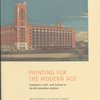
Printing for the Modern Age: Commerce, Craft, and Culture in the RR Donnelley Archive
The R. R. Donnelley Archive preserves a fascinating array of historical materials dating from the mid-nineteenth to the late twentieth century, offering research potential in modern social and cultural history, the history of printing and the graphic arts, the history of advertising and mass consumption, economic and labor history, Chicago urban and community history, and modern cultural studies, among many other fields. |
Locations
The Hanna Holborn Gray Special Collections Research Center Sept. 1 — Feb. 28, 2007 View web exhibit >> |
Subjects
History of Print Chicago and Illinois American History |

|
Race and the Design of American Life: African Americans in Twentieth-Century Commercial Art
Drawing from collections of food packaging, advertisements, children's books, album covers, and other household goods, this exhibit traces the vexed history of African Americans in commercial art—as images and as makers of their own image—and their vital role in shaping the rise and establishment of our modern consumer society. |
Locations
The Hanna Holborn Gray Special Collections Research Center Oct. 14 — Jan. 4, 2014 View web exhibit >> |
Subjects
African-American Studies Art |
|
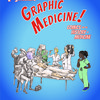
ReFraming Graphic Medicine: Comics and the History of Medicine
Throughout the history of comics, the visual stories of health, illness and medical practice complement the traditional history of medicine. Spanning from the origins of comics to contemporary works of graphic medicine, this exhibit traces a unique visual history of the illness experience and the evolution of Western healthcare practices and broadens our understanding of how the history of medicine is constructed. |
Locations
The Hanna Holborn Gray Special Collections Research Center May 9 — July 16, 2022 View web exhibit >> |
Subjects
Medicine Art History of Medicine |

|
Reading the Greens: Books on Golf from the Arthur W. Schultz Collection
The exhibition is drawn from the Arthur W. Schultz Golf Collection, which includes more than 1,600 books on the history of golf presented to the University of Chicago Library by Arthur W. Schultz, an alumnus and Life Trustee of the University of Chicago. |
Locations
The Hanna Holborn Gray Special Collections Research Center May 1 — Sept. 30, 1998 View web exhibit >> |
Subjects
History |
|
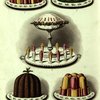
Recipes for Domesticity: Cookery, Household Management, and the Notion of Expertise
This exhibition, drawn primarily from the Rare Books Collection, provides a sampling of European and American cookbooks and domestic manuals from court chefs of the 15th century to cooking icons of the 20th century. |
Locations
The Hanna Holborn Gray Special Collections Research Center April 22 — July 13, 2013 View web exhibit >> |
Subjects
European History American History |
|
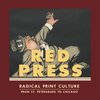
Red Press
Red Press: Radical Print Culture from St. Petersburg to Chicago represents the Bolshevik revolution as it was waged through broadsides, pamphlets, periodicals and posters. Many materials are drawn from the archive of Samuel N. Harper, son of the University’s founding president, the first American Russianist, and eyewitness to the revolution. Through these rare printed sources visitors can trace the worldwide spread of revolutionary and antirevolutionary media and ideas. |
Locations
The Hanna Holborn Gray Special Collections Research Center Sept. 25 — Feb. 2, 2018 View web exhibit >> |
Subjects
History Slavic/Eastern Europe/Eurasia |

|
Researching Mexico: University of Chicago Field Explorations in Mexico, 1896-2014
University of Chicago scholars have traveled to Mexico since the late nineteenth century, pursuing research subjects ranging from archival investigation of revolutionary leaders, to documentation of indigenous communities and languages, to the search for the cause of a deadly strain of typhus. |
Locations
The Hanna Holborn Gray Special Collections Research Center June 30 — Oct. 4, 2014 View web exhibit >> |
Subjects
Latin American Studies |
|
Rhythm and Bombast: In Memory of Willie Pickens (1931-2017)
Memorial exhibit of Chicago piano titan, Willie Pickens |
Locations
Regenstein Bookstacks, 4th Floor Feb. 19 — April 21, 2018 View web exhibit >> |
|
|
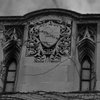
Ryerson Laboratory and Eckhart Hall: A History
The exhibit is a history of Ryerson Physical Laboratory and Eckhart Hall on the University of Chicago campus |
Locations
Eckhart Library View web exhibit >> |
Subjects
Astronomy & Astrophysics Library Science Mathematics Computer Science Statistics Physics |
|
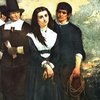
The Salem Witch Trials: Legal Resources
The Salem Witch Trials divided the community. Neighbor testified against neighbor. Children against parents. Husband against wife. Children died in prisons. Families were destroyed. Churches removed from their congregations some of the persons accused of witchcraft. After the Court of Oyer and Terminer was dissolved, the Superior Court of Judicature took over the witchcraft cases. They disallowed spectral evidence. Most accusations of witchcraft then resulted in acquittals. |
Locations
The D'Angelo Law Library Oct. 1 — Jan. 1, 2024 View web exhibit >> |
Subjects
American History U.S. Law |
|
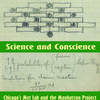
Science and Conscience: Chicago's Met Lab and the Manhattan Project
Based on archives and manuscripts in the Special Collections Research Center, Science and Conscience presents unique historical documents and artifacts, many not previously exhibited. Items on display are drawn from records of scientists’ organizations and the papers of those who worked on the Manhattan Project and at Chicago’s Met Lab, including Enrico Fermi, James Franck, Herbert L. Anderson, Samuel K. Allison, Samuel Schwartz, Francis W. Test, Lawrence Lanzl, John H. Balderston, Jr., Albert Wattenberg, Eugene Rabinowitch, Paul Henshaw, William A. Higinbotham, and Donald MacRae, among others. |
Locations
The Hanna Holborn Gray Special Collections Research Center Feb. 19 — April 13, 2018 View web exhibit >> |
Subjects
History University of Chicago |
|
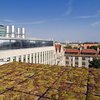
The Science of Sustainability
This exhibit takes a close look at some aspects of sustainable building design and how they can produce greener buildings. |
Locations
Crerar Library, 1st Floor: Other Spaces April 5 — Oct. 1, 2010 View web exhibit >> |
Subjects
Environmental Science Urban Studies Organismal Biology Chicago and Illinois University of Chicago |
|
The Shanghai Jews
This three-case exhibit is part of an event series exploring the experience of many thousands of Jewish refugees who escaped to Shanghai during World War II. |
Locations
Regenstein 3rd Floor Reading Room Jan. 15 — March 30, 2019 View web exhibit >> |
Subjects
East Asian Studies Jewish Studies |
|
Shared Past, Shared Future: The Marine Biological Laboratory and the University of Chicago
The recent affiliation between UChicago and the Marine Biological Laboratory (MBL) is the latest chapter in the long, intertwined history of the two institutions. |
Locations
Crerar Library, 1st Floor: Other Spaces April 19 — Oct. 31, 2016 View web exhibit >> |
Subjects
Organismal Biology University of Chicago |
|
Something's Brewing: The Art, Science and Technology of Beer Brewing
The Crerar Library exhibit, Something's Brewing: The Art, Science and Technology of Brewing, explores the development of brewing, from the ancient Sumerians' rice-based beverages to the rise and fall of the Chicago brewing industry. |
Locations
Crerar Library, 1st Floor: Other Spaces Jan. 8 — March 31, 2007 View web exhibit >> |
Subjects
Chicago and Illinois Materials Science History of Science Technology |
|
Sounds from Tomorrow's World: Sun Ra and the Chicago Years, 1946-1961
This exhibit explores Sun Ra’s Chicago years through images and sound recordings of his poetry and music, vinyl records and album artwork, promotional materials and early controversial broadsheets. While living in Chicago, Herman Poole “Sonny” Blount became Sun Ra—the leader of the Arkestra and a composer and arranger of some of the most avant-garde jazz of the time. |
Locations
Regenstein 3rd Floor Reading Room Dec. 1 — Aug. 20, 2010 View web exhibit >> |
Subjects
Music Chicago and Illinois |
|
Souvenirs! Get Your Souvenirs!
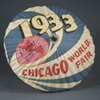
Souvenirs can come in all shapes and sizes; they can be simple or complex, tasteful or tacky. This exhibition presents various souvenirs created for the 1893 World's Columbian Exposition, the 1933 Century of Progress International Exposition, and the City of Chicago. It draws on collections throughout the Special Collections Research Center, catalyzed by the Ian Mueller Collection of Chicago Memorabilia. |
Locations
The Hanna Holborn Gray Special Collections Research Center July 22 — Oct. 4, 2013 View web exhibit >> |
Subjects
Special Collections American History Chicago and Illinois |

|
Special Collections, Special Director
To celebrate the retirement of Daniel Meyer, Director of the Hanna Holborn Gray Special Collections Research Center and University Archivist, he has curated a small selections of his favorite items from the collection. |
Locations
The Hanna Holborn Gray Special Collections Research Center June 23 — June 24, 2021 View web exhibit >> |
|
|
Super Metroid: A 20th Anniversary Retrospective
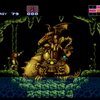
This exhibit celebrates the art of the videogame as seen in one of its early classics. Additionally, this exhibit explores the creative activity that lies beyond the game itself, from concept art and promotional materials to the fan art the game still inspires twenty years later. |
Locations
The Joseph Regenstein Library Jan. 28 — March 22, 2014 View web exhibit >> |
Subjects
Arts |
|
Sweet Home Chicago: Chocolate and Confectionery Production and Technology in the Windy City
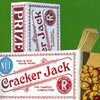
Drawing from items in the substantial cookery collection at the John Crerar Library, this exhibit explores the history of chocolate and confectioners in the city and the science and technology of the candy making process. |
Locations
Crerar Library, 1st Floor: Other Spaces Oct. 10 — June 11, 2011 View web exhibit >> |
Subjects
Advertising Chicago and Illinois Technology |

|
T. Kimball Brooker Prize for Undergraduate Book Collecting
The Brooker Prize is awarded annually to second- and fourth year students with outstanding book collections. This exhibit provides an opportunity for award winners to share selections from their collections with a wider audience. |
Locations
Regenstein 1st Floor Reading Room View web exhibit >> |
Subjects
Latin American Studies Medieval Studies Gender Studies Arts |
|
Tensions in Renaissance Cities
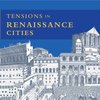
Rome, Florence, Geneva, London; Renaissance cities used art and literature to express their growing pains. After the Black Death, recovering cities developed in a geography of interdependence, connected by fluctuating kingdoms, mercantile networks, and the newborn printing press. This exhibit charts the tensions of capitals from Venice to Mexico City as they looked eastward, westward, backward toward antiquity, or upward to the celestial geographies offered by magic, science, and theology. |
Locations
The Hanna Holborn Gray Special Collections Research Center March 27 — June 9, 2017 View web exhibit >> |
Subjects
European History |
|
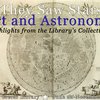
They Saw Stars: Art and Astronomy
This John Crerar Library exhibit highlights works of art and literature influenced by astronomy, either through scientific study, a fascination with the night sky, or as an inspiration for the literary imagination. Both contemporary and historical works are included. |
Locations
Crerar Library, 1st Floor: Other Spaces June 2 — Nov. 1, 2005 View web exhibit >> |
Subjects
History of Science Art Astronomy & Astrophysics |
|
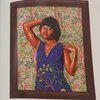
UChicago Celebrates Black History
A selection of books that explore all dimensions of Black life, history and Black experience. All books were suggested by UChicago students, staff, faculty, and librarians. |
Locations
Regenstein 1st Floor Reading Room Feb. 10 — Feb. 29, 2020 View web exhibit >> |
Subjects
History |
|
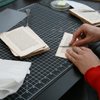
Under Covers: The Art and Science of Book Conservation
Book Conservation is an essential component of a comprehensive program to protect and preserve library collections for current and future use by scholars. This exhibit takes a close look at the scientific aspects of conservation and the treatment of collections. |
Locations
Crerar Library, 1st Floor: Other Spaces March 26 — Oct. 11, 2013 View web exhibit >> |
Subjects
Materials Science History of Print Chemistry |
|
Under Your Feet, Chicago's Water, Freight, Subway and Storm Tunnels
Under Your Feet explores the system—from the first water tunnels completed in 1867, to the now defunct freight tunnels of the early 1900's, to the subway system we use today, to the Deep Tunnel project and storm tunnels of the future. |
Locations
Crerar Library, 1st Floor: Other Spaces Feb. 14 — March 31, 2006 View web exhibit >> |
Subjects
Technology Art Chicago and Illinois |
|
Understanding North Korea through Stamps
The East Asian Collection acquired more than 2,000 North Korean stamps this year, each of which has been digitized and accompanied by in-depth data to form the first digital collection of its kind developed by any library worldwide. |
Locations
Regenstein 5th Floor Reading Room Sept. 23 — Feb. 12, 2020 View web exhibit >> |
Subjects
East Asian Studies |
|
United States Supreme Court: Portraits and Autographs
A web exhibit to highlight some of the notable portraits and documents available in the United States Supreme Court: Portraits and Autographs collection at the University of Chicago D'Angelo Law Library, as well as to provide some resources for further research on these individuals and documents. |
Locations
The D'Angelo Law Library View web exhibit >> |
Subjects
American History Law U.S. Law |
|
The University of Chicago Centennial Catalogues
This online presentation reproduces the complete text and accompanying images from four University of Chicago Centennial Exhibition Catalogues, published in conjunction with a series of physical exhibitions organized by the Department of Special Collections to celebrate the 1991-92 Centennial of the University of Chicago. |
Locations
The Hanna Holborn Gray Special Collections Research Center Jan. 1 — Feb. 1, 1993 View web exhibit >> |
Subjects
University of Chicago |
|
The University of Chicago Faculty: A Centennial View
"The University of Chicago Faculty: A Centennial View" examines the careers of twenty-eight representative scholars from the institution's first century. |
Locations
The Hanna Holborn Gray Special Collections Research Center Oct. 1 — Dec. 1, 1992 View web exhibit >> |
Subjects
University of Chicago |
|
University of Chicago Law School Time Capsules: 1903 & 1958
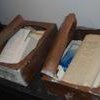
In August 2009, University stone masons opened the cornerstone of the University of Chicago's Law School building to unveil two time capsules, one from 1903 and one from 1958.The boxes contained items collected for the cornerstone of the original Law School building and items presented when the current building, designed by Eero Saarinen, was built. |
Locations
The D'Angelo Law Library View web exhibit >> |
Subjects
University of Chicago Law |
|
A Voice for Justice: The Life and Legacy of Ida B. Wells
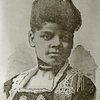
This web exhibit showcases the achievements of civil rights activist Ida B. Wells (1862-1931) and documents her lifelong campaign for the rights and lives of African Americans in the nineteenth and twentieth-century United States of America. |
Locations
The Hanna Holborn Gray Special Collections Research Center View web exhibit >> |
Subjects
Chicago and Illinois American History African-American Studies |
|
We Are Chicago:Student Life in the Collections of the University of Chicago Archives
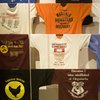
Drawn from the historical collections of the University Archives, We Are Chicago highlights student experiences over a span of 120 years. This exhibition features recent donations to the collections along with rarely seen materials. Costumes, photographs, T-shirts, letters, posters, publications, and memorabilia will combine to make this the largest and most inclusive exhibition in the ongoing Special Collections archival series, Discover Hidden Archives Treasures. |
Locations
The Hanna Holborn Gray Special Collections Research Center Jan. 2 — March 31, 2012 View web exhibit >> |
Subjects
University of Chicago |
|
Well Equipped: Library Technology from Days Past
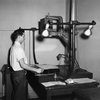
Over the years Crerar Library has used the newest equipment and technologies to make books, journals, and other information accessible to patrons. These tools have evolved through the years. A library card system has been replaced with an online catalog with significant collections available electronically. Early techniques for photocopying and microfilming materials have been eclipsed by digital scanning services. Displayed are objects and photos of some of these earlier pieces used by the Library. |
Locations
Crerar Library, 1st Floor: Other Spaces Sept. 18 — June 7, 2018 View web exhibit >> |
Subjects
University of Chicago Library Library Science |
|
The World of South Asian Scripts
This exhibit explores the rich historical heritage as well as the lively contemporary usage of South Asian scripts. |
Locations
Regenstein 5th Floor Reading Room Sept. 5 — Dec. 14, 2018 View web exhibit >> |
Subjects
Southern Asia South Asia |