The University of Chicago Centennial CataloguesThe University of Chicago FacultyLife on the QuadsThe University and the CityPresidents of the University of Chicago
The University and the City
A Centennial View of the
University of Chicago
page 5 of 7| « previous | next »

Hyde Park residential hotels, from Hyde Park Then and Now (Chicago: Hyde Park-Kenwood National Bank, 1929).

Hyde Park residential hotels, from Hyde Park Then and Now (Chicago: Hyde Park-Kenwood National Bank, 1929). By the 1920s, the ideal of the single-family suburban villa had given way to the convenience and prestige of the apartment tower.


55th Street west from Lake Park Avenue, ca. 1950.

55th Street west from Lake Park Avenue, ca. 1950. In the years before urban renewal, 55th Street was one of the principal shopping and entertainment districts of Hyde Park.

The University Neighborhood

Hyde Park Remembered
Shops and restaurants lined 55th Street, including bakeries, a fancy-foods grocery, a butcher, toy shop, several restaurants, the Woodlawn Tap, and the University State Bank. Nightclubs and ballrooms clustered at 63rd Street south of the Midway:

At Cottage Grove [and] 63rd Street...one would find...the Tivoli Theater, which was a large luxury theater, much like the Chicago Theater. There was also the Trianon Ballroom, which was a place where one would go to dance and pick up dates...the Midway Gardens [at 60th and Cottage Grove] was also a dance hall, but of lower repute, which had the great distinction of bringing [up] a man from New Orleans named King Oliver who brought with him a young trumpet player...named Louis Armstrong. Louis Armstrong used to play there, and some of us would go hear him play. He was superb.

Renewal and Revival
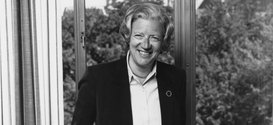
Muriel Beadle, in her memoir, The Hyde Park-Kenwood Urban Renewal Years (1964), described the University's neighborhood as having "a kind of mystique that has long affected ... residents, a certainty that its atmosphere is unique, that life is better and more stimulating than anywhere else." A leader in urban development in Hyde Park, she recounts how this feeling of distinction contributed to neighborhood renewal efforts. "It was the preservation of this 'other world' that engaged the emotions and the energies of residents of Hyde Park-Kenwood and gave them the will to do what they have done."

Before 1950, ninety percent of the University's faculty lived within walking distance of campus, but after that point a steady decline set in that lowered the number to seventy percent by 1964. For members of the University community who were committed to remaining residents of Hyde Park-Kenwood, renewal offered the prospect of stabilizing an unpredictable pattern of mobility that threatened the character of the community.


page 5 of 7| « previous | next »
Home | The Faculty | The Quads | The City | The Presidents | Special Collections