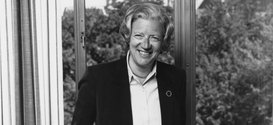
Edward
H. Levi
1911-
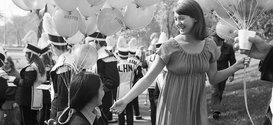
Levi took office a few months
after the riots which accompanied the Democratic Convention in August
1968. Students picketed outside the Conrad Hilton during his inauguration
dinner. In January 1969, after demands were rebuffed to reappoint sociology
professor Marlene Dixon and allow students to participate in faculty
hiring decisions, a group of students took over the Administration Building.
Levi's actions were watched closely since many campuses faced similar
protests. While refusing to call in police or use force to get the students
to leave, Levi also refused to capitulate to their demands. He consistently
referred to the higher goals of academic freedom and discussion which
should govern action on campus. After two weeks of occupation without
result, the students voted to leave the building. University disciplinary
committees summoned 165 students for hearings, expelling 42 and suspending
81 more. Reflecting later, Levi commented, "There are values to be maintained.
We are not bought and sold and transformed by that kind of pressure."
After Watergate had emptied
many offices in Washington and President Gerald Ford began making replacements,
Levi was asked to become U.S. attorney general. Upon winning Senate
confirmation, Levi resigned as president and moved to Washington in
February 1975.
In 1977 Levi returned again
to the campus where he had spent most of his life. Honors and distinctions
followed, including the presidency of the American Academy of Arts and
Sciences, the first time that the position had been conferred upon anyone
outside of New England. Having resumed his teaching in the Law School
and the College, Levi maintains an active presence in the University
community.